Key takeawaysOpen this summary to review the essential ideas.
- What is the chain stitch and what is it used for?
- It is the starting stitch in most crochet projects, used to begin your work.
- How do you make a single crochet?
- Insert the hook into the chain, grab the yarn, and pull through both loops on the hook.
- When is the double crochet used?
- It's common in patterns for garments and accessories to add height and texture.
- What is a slip stitch?
- It's used to close rows and secure projects.
- How can I improve my crochet technique?
- Practice each stitch repeatedly and don't be discouraged by mistakes.
If you are starting in the world of crochet, you may feel a bit overwhelmed by the amount of information and techniques available. But don’t worry, today we will learn together the basic crochet stitches that will help you take your first steps and complete your projects with confidence.
Chain: The starting stitch
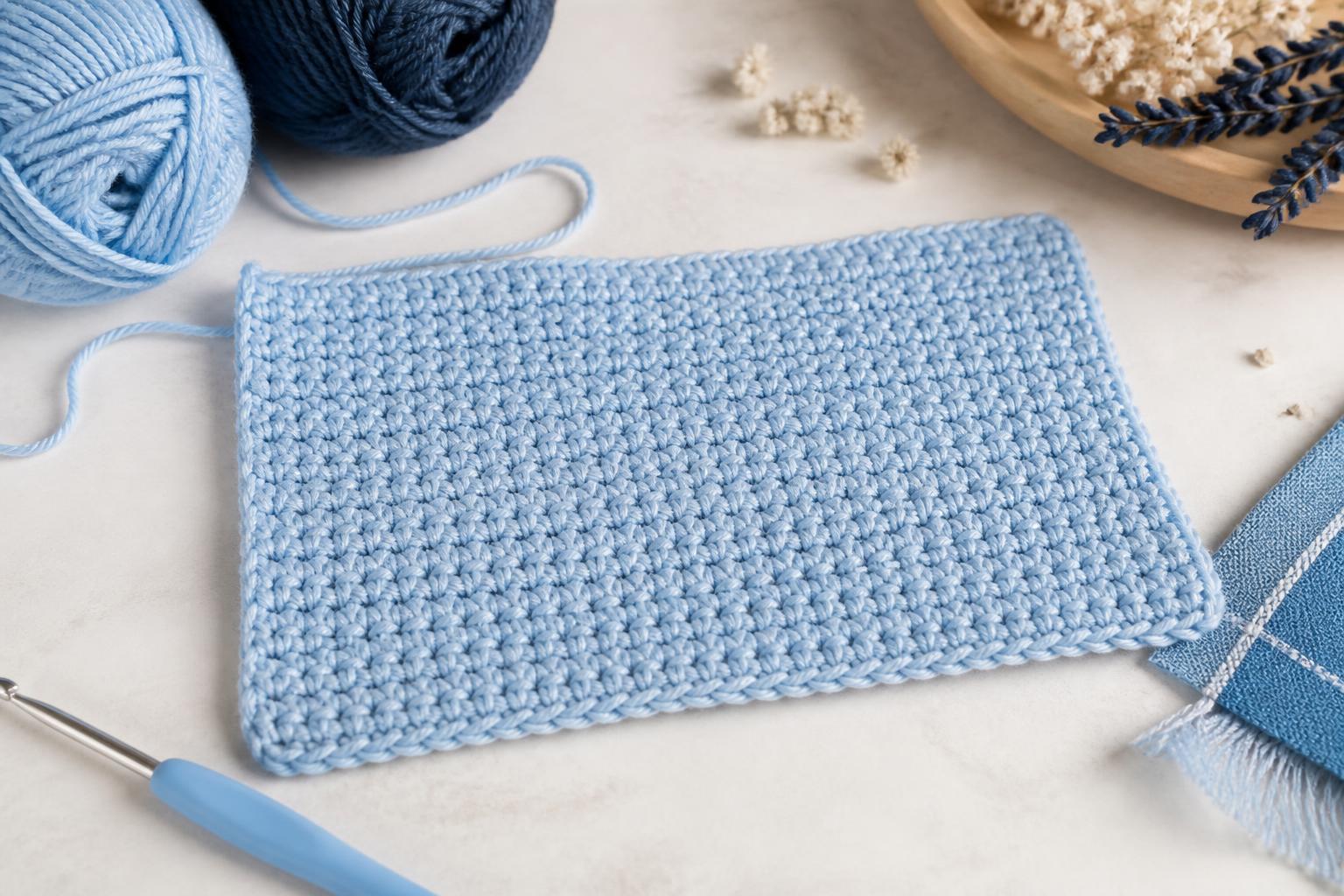
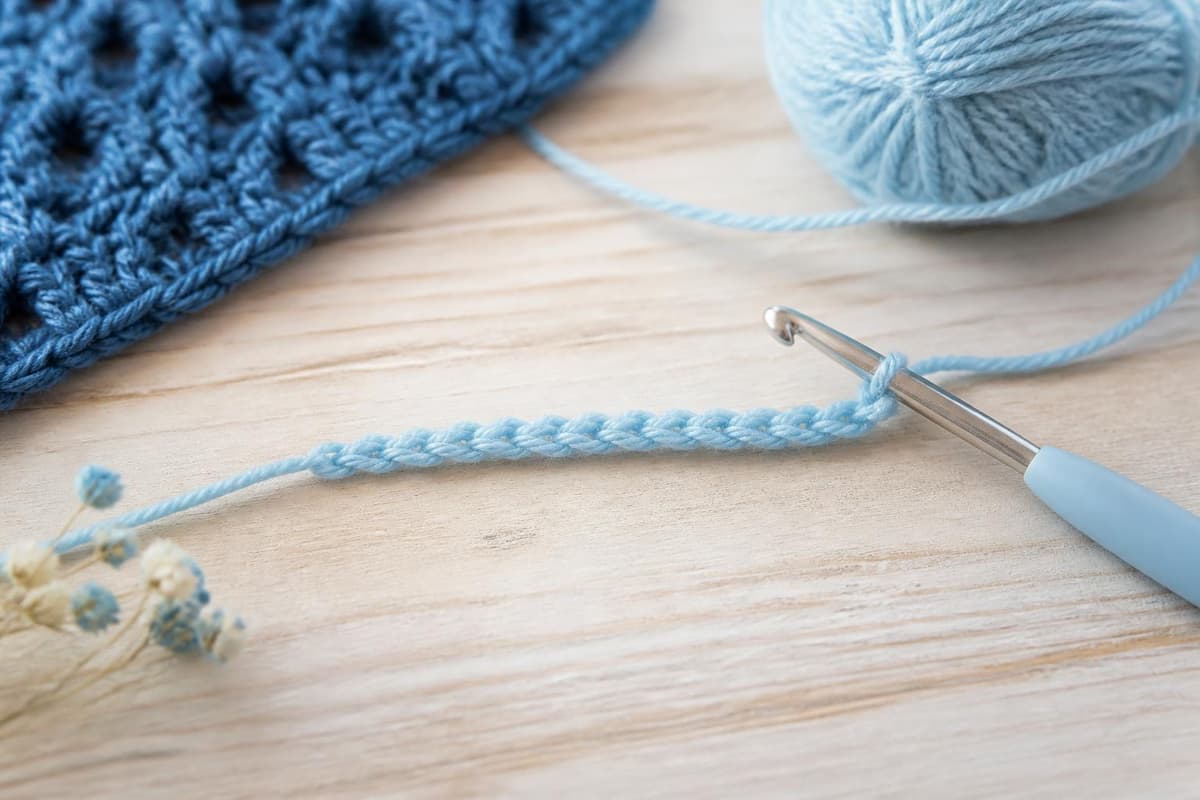
The chain is the foundation of most crochet projects. It’s essential to know how to make it as it allows you to begin any work. Let’s see how to do it:
- Make a knot at the end of the yarn and place it on your hook.
- With the hook, grab the yarn and pull it through the loop on your hook.
- Repeat this process the number of times you need for your project.
Remember that the chain should be firm but not too tight, so you can work more comfortably with it.
Single crochet: The fundamental stitch
The single crochet is one of the most commonly used stitches in crochet. Here’s how to do it:
- Insert the hook into the chain and grab the yarn.
- Now you will have two loops on the hook.
- Yarn over again and pull through both loops at once.
This stitch is great for beginners as it is simple and used in a variety of projects, from blankets to amigurumi.
Mastering the single crochet stitch can open the door to numerous creative crochet projects. This stitch forms the basis of many patterns, making it an essential skill for every crocheter. Remember to keep your tension consistent; this will ensure even stitches throughout your work, resulting in a polished finish that showcases your budding crochet abilities.
As you practice the single crochet, experiment with different yarn types and hook sizes. This will give you a feel for how these variables affect your stitches. Over time, you'll find the combination that works best for you, allowing your unique style to shine through in your projects.
Double crochet: A crochet classic
The double crochet is another essential part of crochet. To do it, follow these steps:
- Make a yarn over and place it on your hook.
- Insert the hook into the next chain stitch.
- Yarn over and pull through the stitch (you will now have three loops on your hook).
- Yarn over again and pull through the first two loops. Then, yarn over and pull through the remaining two.
This stitch is used to add height and texture to your projects and is very common in patterns for garments and accessories.
Another important aspect of the double crochet stitch is its versatility. It can be used in a wide range of projects, from delicate shawls to chunky blankets. Depending on the yarn and hook size you choose, the final look of your work can vary greatly, making this stitch a favorite among crocheters of all levels.
To practice this stitch effectively, consider using a medium-weight yarn. This will give you a better feel for how the stitch is formed. As you get comfortable, you can experiment with different yarns and textures to see how they influence the appearance and drape of your finished project.
Slip stitch: A closing stitch
The slip stitch is ideal for closing rows and finishing your projects. Here’s how to do it:
- Insert the hook into the stitch where you want to close.
- Grab the yarn and pull it through the stitch, so you have two loops on the hook.
- Yarn over again and pull through the two loops on the hook.
This stitch is very useful to ensure that your projects have a neat finish.
Once you feel comfortable with the slip stitch, try practicing it on small swatches of yarn. This will help you gain confidence and understand how to control your tension. Remember, the slip stitch should be smooth and consistent to give your piece a polished look.
You can also use slip stitches to join different pieces of crochet together, making it a versatile technique. It's important to maintain the same tightness throughout your work to avoid puckering or uneven edges in your finished project.
Tips for practicing stitches
A good way to improve your technique is to practice. Here are some tips for you:
- Take your time with each stitch, without rushing.
- Use a medium-weight yarn to make handling easier.
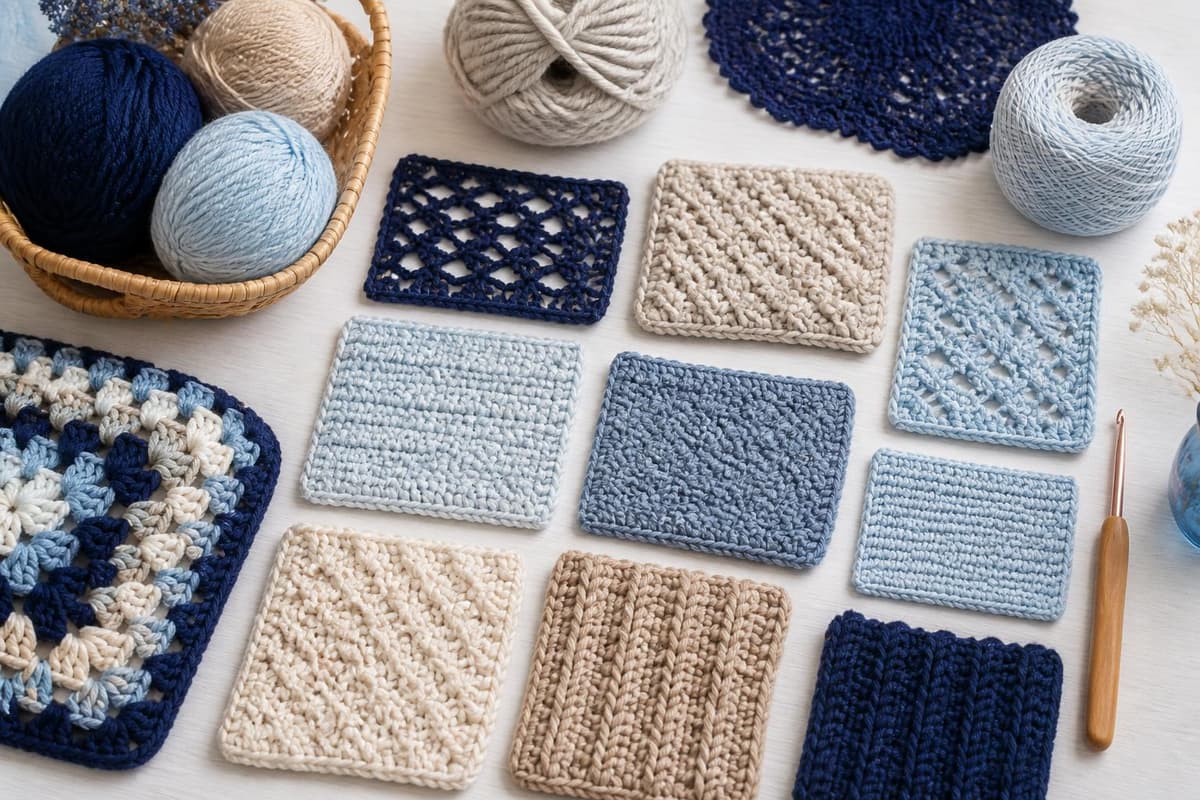
- Try to make samples of each stitch before starting a complete project.
- Set aside regular time for practicing crochet.
- Join local or online crochet groups for support and tips.
If you make mistakes, don’t get discouraged! It’s part of the learning process.
One effective way to enhance your crochet skills is to try different yarns and hook sizes. Experimenting can help you understand how different materials feel in your hands, making it easier for you to create tension and consistency in your stitches. Remember, practice with various combinations to find what feels most comfortable and pleasing to you.
Additionally, keeping a crochet journal can be beneficial. Documenting your progress, noting what works well and what doesn't, allows you to reflect on your knitting journey. This helps you to track your growth and stay motivated as you see how far you've come.
Additional resources and next steps
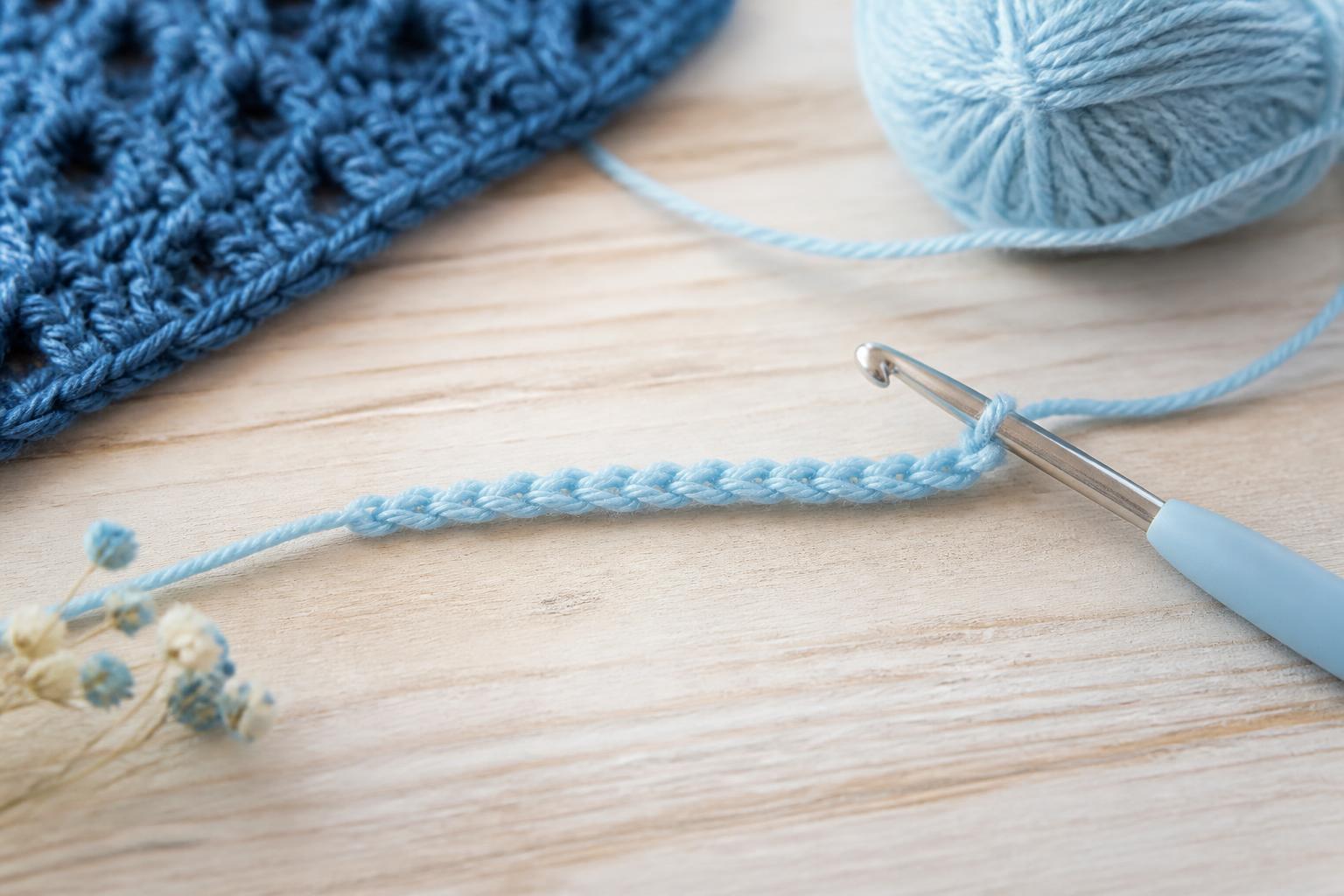
Once you practice these stitches, you can continue with more elaborate projects. I recommend visiting our other tutorials that can help you keep learning:
- More Crochet Tutorials
- Simple Patterns to Practice
If you have any questions, feel free to leave your inquiries in the comments. Embrace the journey ahead and happy crocheting!
Exploring various techniques can significantly improve your crochet skills. After mastering the basic stitches, consider trying out different textures and styles, such as ribbing or lace patterns. Each project allows for creativity and personal expression, making your crochet journey not just a skill-building experience, but also a delightful artistic endeavor.
Additionally, engaging with the crochet community can provide inspiration and support. Look for local craft groups or online forums where you can share ideas and get feedback on your work. Remember, every expert was once a beginner, and with each project, you will only get better!
Tools and guides for your next crochet project
Learn a technique, follow a pattern and organise your work with Step by Step Crochet. Explore how each Android feature helps.
Keep your next project on your phone
Download Step by Step Crochet from Google Play. The app from Molly Digital is free to download and contains ads. Check the official listing for the available version.
Get it on Google Play