Key takeawaysOpen this summary to review the essential ideas.
- What are the most common mistakes when choosing yarn?
- Beginners often choose yarn that is too thin or too thick, affecting the fabric.
- What mistakes are made when using the hook?
- Not holding the hook correctly can make the crocheting process difficult.
- Why is it important to follow the correct stitch sequence?
- Following the sequence prevents your piece from having uneven shapes.
- How can I improve my understanding of patterns?
- Practice identifying common symbols and abbreviations in crochet patterns.
- What affects the tension in my crochet project?
- Poor tension can ruin the finish of the project and lead to uneven stitches.
Crochet is a wonderful craft, but it can be confusing and full of challenges at first. Many beginners face mistakes that can jeopardize their enthusiasm. In this article, I will help you identify the most common mistakes and how you can avoid them for a more satisfying crochet experience.
Common mistakes when choosing yarn
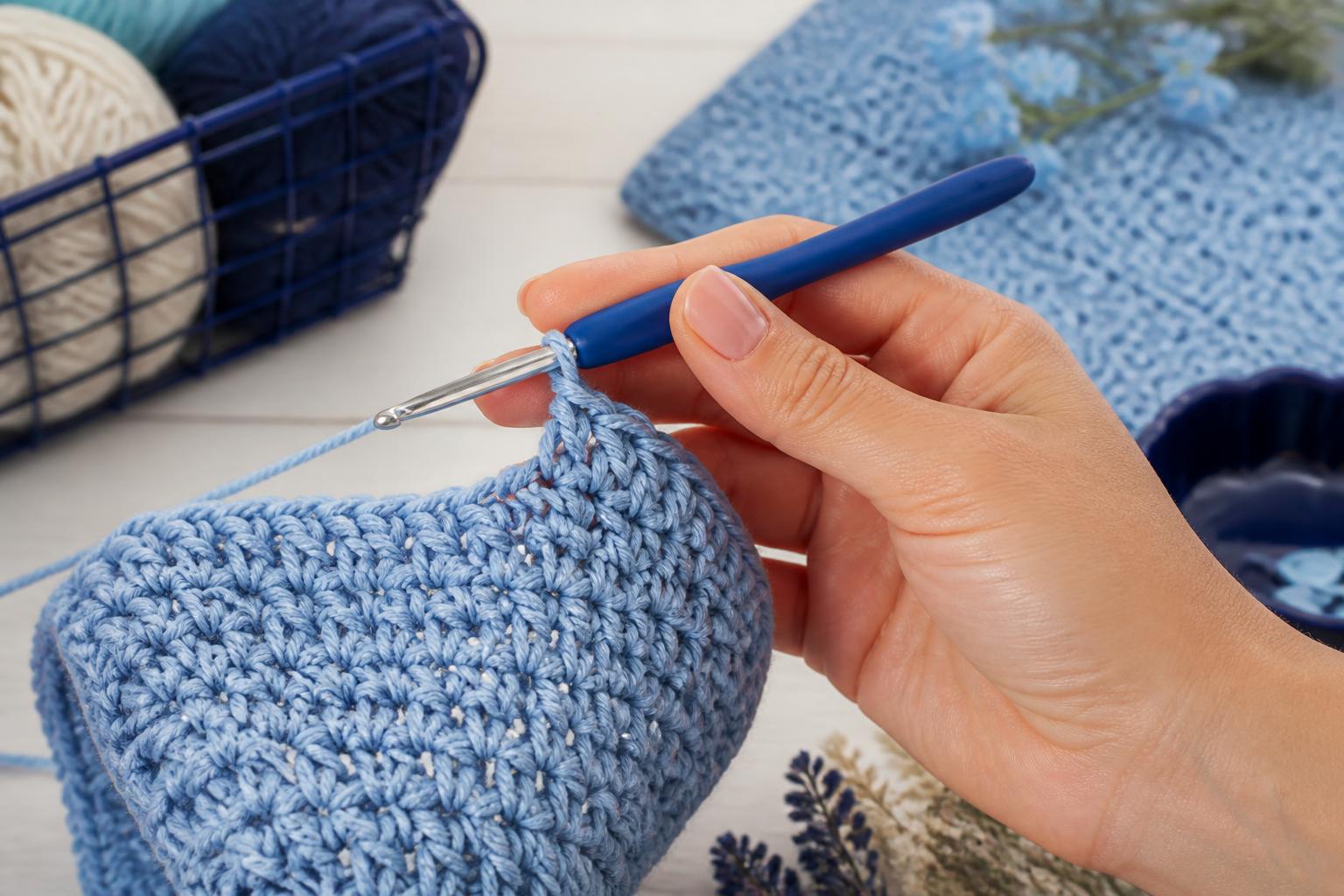
Choosing the right yarn is essential for the success of any project. Making mistakes at this stage can lead to unsatisfactory results. Many beginners tend to opt for yarns that are not the most suitable, which can result in a difficult-to-handle fabric. Here are some helpful considerations and tips for making the right choice.
- Choose medium-thickness yarns that are easy to handle and provide good control.
- Avoid yarns that are too thin or too thick, as this can make manipulation and the final result of your work more difficult.
When selecting yarn, consider the fiber content as well. Natural fibers such as cotton and wool offer different textures and warmth levels, which will influence your project's appearance and feel. Synthetic fibers can provide durability and ease of care, but they may not have the same drape or breathability as natural options, which is crucial for certain patterns.
Pay attention to the recommended yarn weight labeled on your pattern. This will guide you toward the appropriate thickness for your project. Using the wrong weight can lead to sizing issues, so it’s best to stick to what is advised to ensure your finished piece turns out as intended.
Errors when using the hook
The way you hold the hook and perform the basic stitches can make the difference between success and frustration. Here are some tips to avoid common mistakes when using the hook:
- Make sure to hold the hook comfortably and with the right tension. This will help you work more efficiently.
- Not inserting the hook in the right place can lead to mistakes in the fabric, so pay attention to where you place the hook.
When crocheting, it's crucial to get comfortable with your grip. This ensures better control and reduces the strain on your hands. Practice different grips until you find the one that feels most natural for you. Remember that adjusting your grip might take some time, but it significantly impacts the quality of your work.
Additionally, always keep the yarn tension consistent. If the tension is too loose or too tight, it can distort your stitches. To achieve this, regularly check your tension as you crochet. Over time, you'll develop a feel for the right tension that works best for your projects.
Incorrect sequences in stitching
Following the stitch sequence correctly is crucial so that your project does not become unbalanced. Omitting or changing a sequence can create serious problems in the structure of the piece. Make sure to:
- Follow the sequence correctly; this prevents your piece from having uneven shapes.
- Understand the consequences of not following the pattern, which can include the pieces being the wrong size and shape.
When faced with the stitch sequence, it is helpful to review each one before starting. This not only helps you remember the correct order but also allows you to identify any pattern that requires your special attention. Practice slowly to solidify your understanding of how sequences are formed.
Remember that in crochet, attention to detail is key. If you find that a sequence is not working as it should, do not hesitate to undo your work and start over. This can be frustrating, but it is an essential part of learning and will help you improve with each project.
Problems with patterns
Reading and understanding a crochet pattern is a skill that develops with practice. However, many beginners face obstacles that make comprehension difficult. Here are some tips to improve your pattern reading:
- Learn to identify the symbols and abbreviations used in patterns. This will greatly facilitate your understanding.
- Overlooking the repeat instructions is a common mistake; be sure to follow them.
Do not underestimate the importance of reviewing the pattern before you begin. Sometimes, a quick look can lead you to overlook crucial details in the instructions, such as changes in yarn thickness or adjustments in size. Taking the necessary time to fully understand the pattern will prevent frustrations later on.
Often, patterns can confuse you because of the way technical terms are used. If you come across a term you are unfamiliar with, look up its meaning online. This will help make your crochet experience more enjoyable and less stressful. Patience is key when learning; every mistake is an opportunity to improve!
Tension errors and their impact on the project
Poor tension can ruin a crochet project and hinder the uniformity of the piece’s finish. It is essential to understand how tension affects your fabric. Here are some key points to consider:
- Tension refers to how tight or loose your stitches are while crocheting. Incorrect tension can make your piece too tight or, conversely, too loose.
- It is important to test your tension before starting a project by making a swatch; this way, you can ensure that you are working with the right tension.
It's also worth noting that varying hook sizes can dramatically change the tension. If the instructions suggest a specific size, it's advisable to use that size unless you are confident in adjusting your tension accordingly. Always keep in mind that even the same yarn can behave differently with various hook types.
Additionally, practice makes perfect when it comes to tension. Spend some time working on simple projects, focusing specifically on maintaining a consistent stitch tension. This practice will pay off in larger, more complex projects.
Finishing and edging mistakes
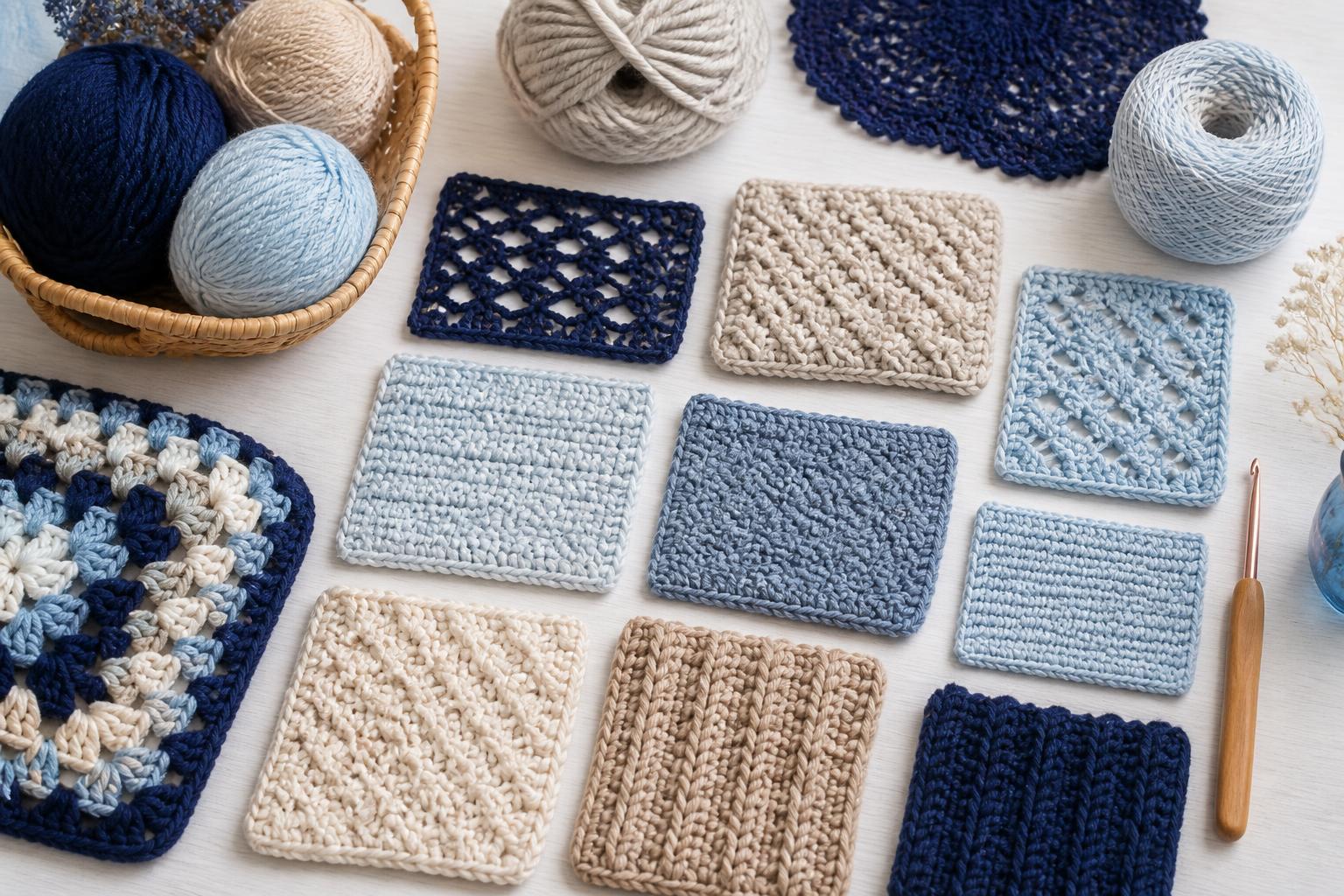
The final steps are just as important as the stitching process, as a poor finish can ruin all your efforts. Paying attention to the details in finishing is crucial for achieving a successful project. Here are some recommendations:
- Always ensure that you weave in the ends and secure the entire piece to prevent unraveling in the future.
- Not securing the yarn properly can lead to it coming undone over time, which can cause frustration.
Now that you know the most common crochet mistakes, you’re better prepared to enjoy your projects without frustration. Remember that practice makes perfect, so don’t get discouraged! Every little step you take will bring you closer to becoming an expert in the art of crochet.
Tools and guides for your next crochet project
Learn a technique, follow a pattern and organise your work with Step by Step Crochet. Explore how each Android feature helps.
Keep your next project on your phone
Download Step by Step Crochet from Google Play. The app from Molly Digital is free to download and contains ads. Check the official listing for the available version.
Get it on Google Play