Key takeawaysOpen this summary to review the essential ideas.
- What is the best yarn for beginners?
- Cotton is highly recommended for its softness and ease of use.
- What advantages does acrylic yarn have?
- It is economical, versatile, and adapts to many projects.
- How does the thickness of the yarn affect the project?
- Thicker yarn results in a looser stitch, while thinner yarn gives a more compact fabric.
- What type of yarn is ideal for summer projects?
- Cotton yarn is perfect for light and breathable garments.
- What is a good technique to avoid yarn tangles?
- Keep your skeins organized and use a container to prevent tangling.
Choosing the right yarn can be tricky when you are starting your journey into the world of crochet. In this guide, I’ll discuss the best yarns for beginners, explaining their characteristics and uses. This way, you can confidently embark on your projects and enjoy this beautiful craft.
Cotton: The ideal yarn for beginners
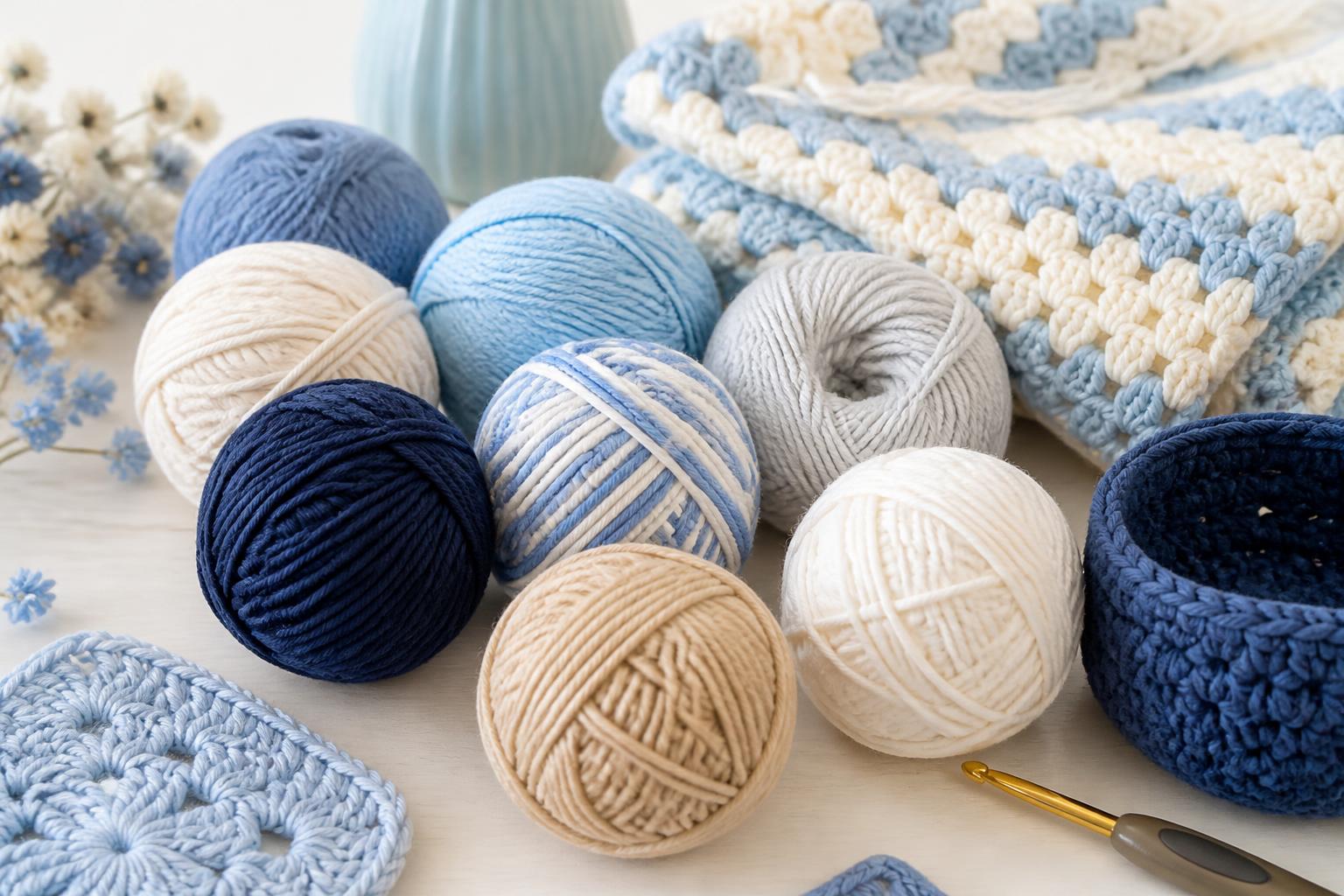
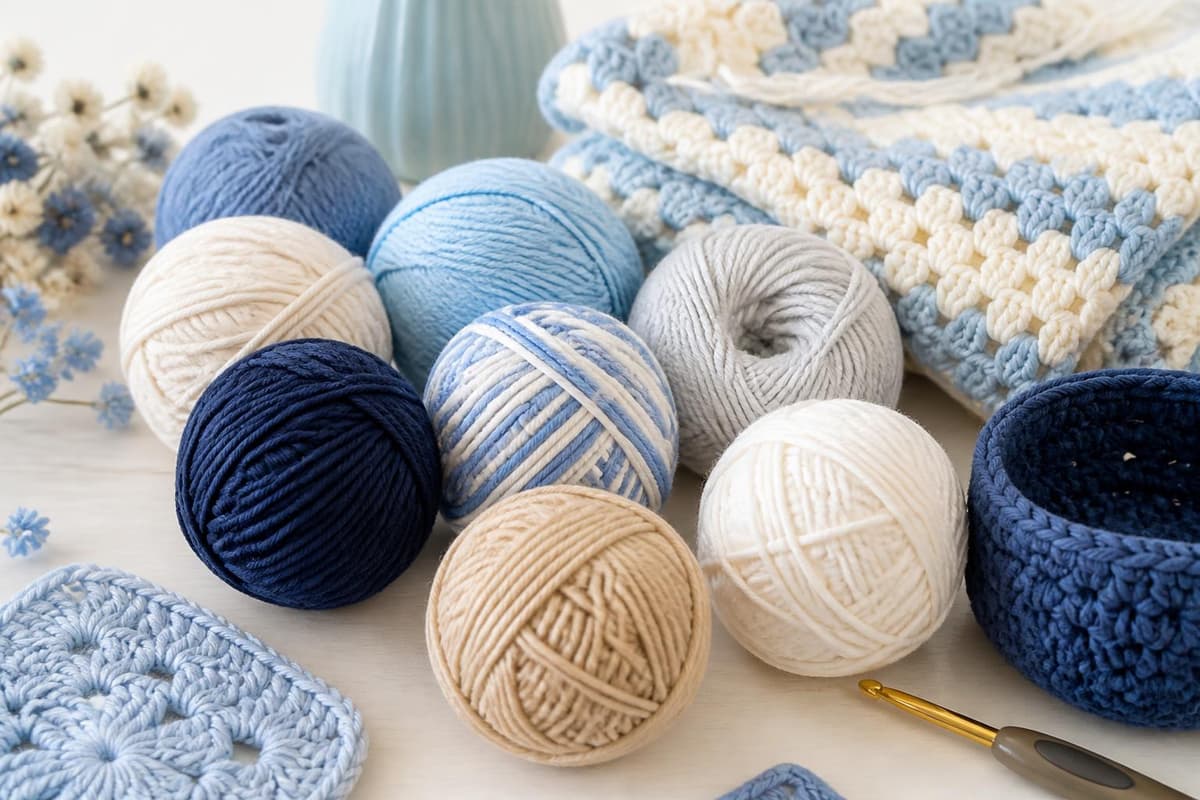
Cotton is one of the most recommended yarns for those starting out in crochet. It is soft, durable, and easy to work with. Here are some advantages of cotton:
- Breathable: Perfect for summer garments.
- Easy to wash: Can be machine washed without issues.
- Variety of colors: There are many shades to choose from.
Cotton yarn is recommended for projects like amigurumi or lightweight garments. Being the easiest yarn to work with, it will allow you to learn the basic stitches without complications.
Using cotton yarn is not only practical but also enjoyable. As you get more comfortable with basic stitches, you can experiment with different textures and colors available in cotton yarn. This will add a personal touch to all your crochet projects, making them truly unique and special.
Once you have mastered the basics, consider exploring various cotton yarn weights. Lighter weights can be perfect for delicate projects, while heavier weights allow you to create sturdier items. Experimenting with different weights can open up a world of creative possibilities.
Types of cotton yarns
Cotton yarn comes in different forms, each offering unique benefits. Understanding these can help you choose the right type for your projects:
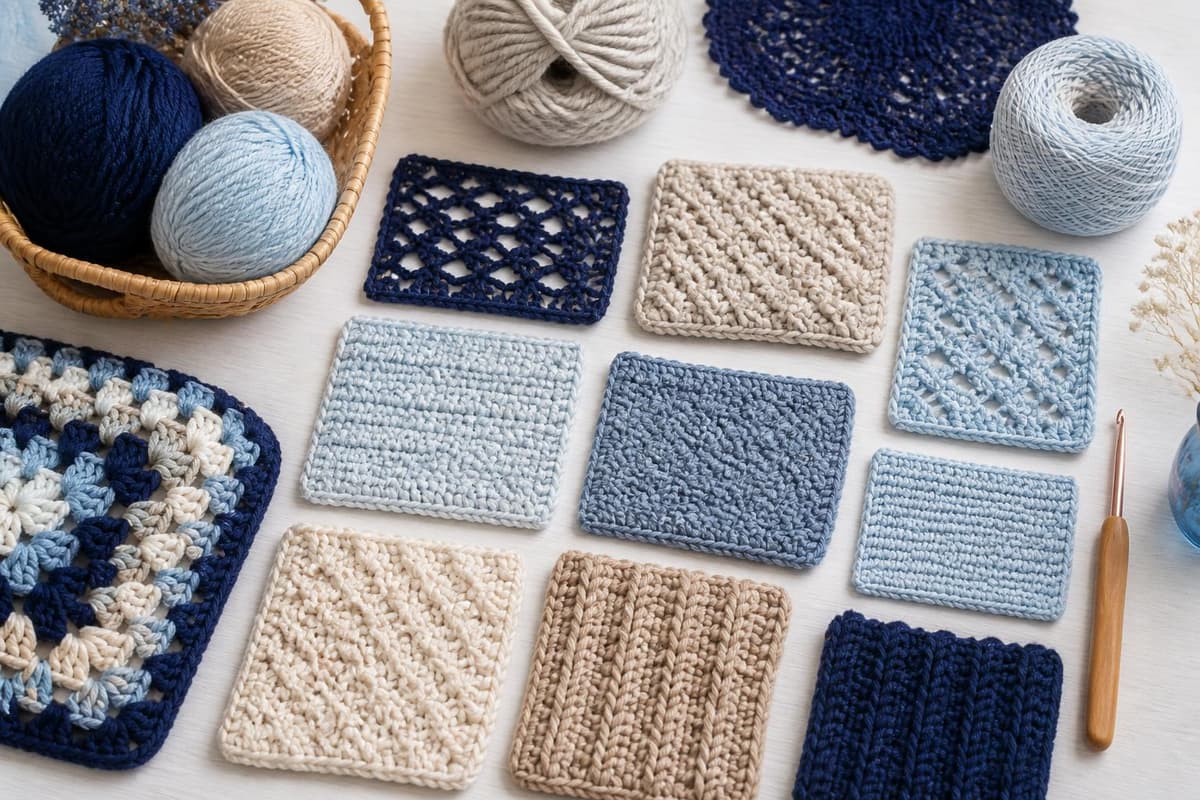
Mercerized cotton: This type of cotton yarn has a special shine, making it more attractive and durable. It’s perfect for projects that require a polished finish, such as table linens or decorative items.
Combed cotton: Combed cotton has a remarkably soft texture and is less prone to fraying. This makes it very popular among beginners and is ideal for creating comfortable garments and soft toys.
Acrylic: A versatile and economical option
Acrylic is another yarn commonly used by beginners due to its availability and affordable price. Here are its main characteristics:
- Durable: It adapts well to various projects, from clothing to accessories.
- Vibrant colors: Available in a wide range of hues that can brighten any project.
- Quick-drying: Ideal for projects that require speed, as it doesn’t take long to dry.
Acrylic yarn is perfect for scarves, hats, and mittens. Furthermore, its durability makes it suitable for items that are used frequently.
Acrylic yarn is often recommended for beginners because it's easy to work with and forgiving of mistakes. If you drop a stitch or make an error, it's simpler to fix with acrylic than with some other fibers. Additionally, its smooth texture allows your crochet hook to glide easily, reducing friction and making the crafting process more enjoyable.
For those looking to experiment, acrylic yarn blends with other fibers are also available. These blends can enhance the yarn's qualities, such as adding warmth or a softer feel. Exploring these options can help you find your favorite material as you progress in your crochet journey.
Yarn blends: The best of both worlds
Yarn blends offer the advantages of different materials. Here’s why they are a good option:
- Comfort: They provide softness and durability, combining the best features of various yarns.
- Warmth: Perfect for winter projects, such as scarves or sweaters.
- Versatility: Used in a variety of patterns, making them ideal for experimenting.
They are great for vests, thick scarves, and more. Many brands offer acrylic and cotton blends, providing a balanced outcome between comfort and ease of use.
Yarn blends can be particularly effective for creating textured designs. Blending yarn types can enhance stitch definition, making intricate patterns pop. For beginners, this provides a wonderful opportunity to practice different techniques while still ensuring the yarn is forgiving enough to work with. Experimenting with blends can lead to unique finishes that elevate handmade items beyond basic expectations.
Additionally, yarn blends often vary in gauge, which is beneficial for new crocheters to understand how different materials can affect the overall look of a project. By selecting a blend that suits their specific design goals, beginners can learn to adapt their tension and skills. This knowledge is key to becoming more confident in their crochet journey.
The different yarn thicknesses: Selection and tips
The thickness of the yarn is crucial for your crochet projects. Here are some helpful tips:
- Thin thickness: Use a smaller hook for a tighter stitch, ideal for fine details and small projects.
- Thick thickness: Requires a larger hook for loose stitches, perfect for bigger and quicker projects.
Remember that the choice of thickness affects not only the appearance of your project but also the technique you will use. Experimenting with various thicknesses can lead to exciting results.
As you start, you may face some challenges working with yarns. Here are a few tricks that might help:
- Avoid tangles: Keep your skeins organized. Using a container can help prevent them from getting tangled up.
- Adjustments: Don’t hesitate to adjust your tensions according to the project you are working on; this will make your work easier.
- Practice: Practice is key. Don’t get discouraged if your first stitches aren’t perfect; it’s part of the learning process.
When selecting yarn thickness, consider the type of project and its final texture. For instance, using a thicker yarn can result in a cozier blanket, while a thinner yarn may produce a more delicate scarf. It's essential to visualize how the finished piece will look based on size and weight of the yarn.
Additionally, pay attention to the yarn label. Most manufacturers provide a recommended hook size and gauge information. Following these guidelines will help ensure that your project turns out as expected, making your crochet experience more enjoyable.
Conclusions and recommendations
For a beginner, the best advice is to try different types of yarn and see which one feels the most comfortable. I recommend starting with cotton or acrylic until you find what you like best. You’ll soon develop your preferences based on your projects.
Remember, on our site, you can find more tutorials to accompany you on your learning journey. Find more information here.
As you explore different yarns, pay attention to other aspects like the yarn's weight, texture, and durability. Each type can significantly affect your crochet projects, from how easy they are to work with to the final look of your piece. Don't hesitate to take notes on what you like and dislike about each yarn you try.
In addition to yarn, consider investing in a variety of crochet hooks. Different materials, sizes, and shapes can change your crochet experience. Finding the right hook for your yarn can enhance your comfort and help you achieve the best result in your work. Remember, crafting is about enjoying the process as much as the final product.
Tools and guides for your next crochet project
Learn a technique, follow a pattern and organise your work with Step by Step Crochet. Explore how each Android feature helps.
Keep your next project on your phone
Download Step by Step Crochet from Google Play. The app from Molly Digital is free to download and contains ads. Check the official listing for the available version.
Get it on Google Play