Key takeawaysOpen this summary to review the essential ideas.
- What are the most common yarn types for crochet?
- The most common ones are cotton yarn, wool, and acrylic.
- How can I choose the thickness of the yarn?
- The thickness affects the type of project. Use thick yarns for quick projects and thin for detailed work.
- What materials should I consider when choosing yarn?
- Cotton and acrylic are more manageable for beginners.
- What are common mistakes when choosing yarn?
- Choosing an incorrect thickness or an unsuitable material for the climate can be problematic.
- What should I look for when buying yarn?
- Yarn quality and the information on its labeling are key.
Choosing the right yarn is crucial for the success of your crochet projects. Whether you are a beginner or have some experience, understanding the different types of yarn and their characteristics is key to making your creations look spectacular and durable.
There are several types of yarn available, each with distinct characteristics. Here, I’ll talk about the most common:
- Cotton yarn: Ideal for lightweight and fresh projects, such as summer clothing and accessories. Cotton yarns are soft and breathable, making them perfect for garments that will be worn in warm weather.
- Wool yarn: Perfect for warm clothing and pieces that require insulation. Wool is a natural material that retains heat and is ideal for sweaters and scarves during the winter.
- Acrylic: Versatile and economical, available in many colors and textures. It is ideal for home decor projects and is easy to wash, making it suitable for toys and items that will see frequent use.
How to choose the thickness of yarn
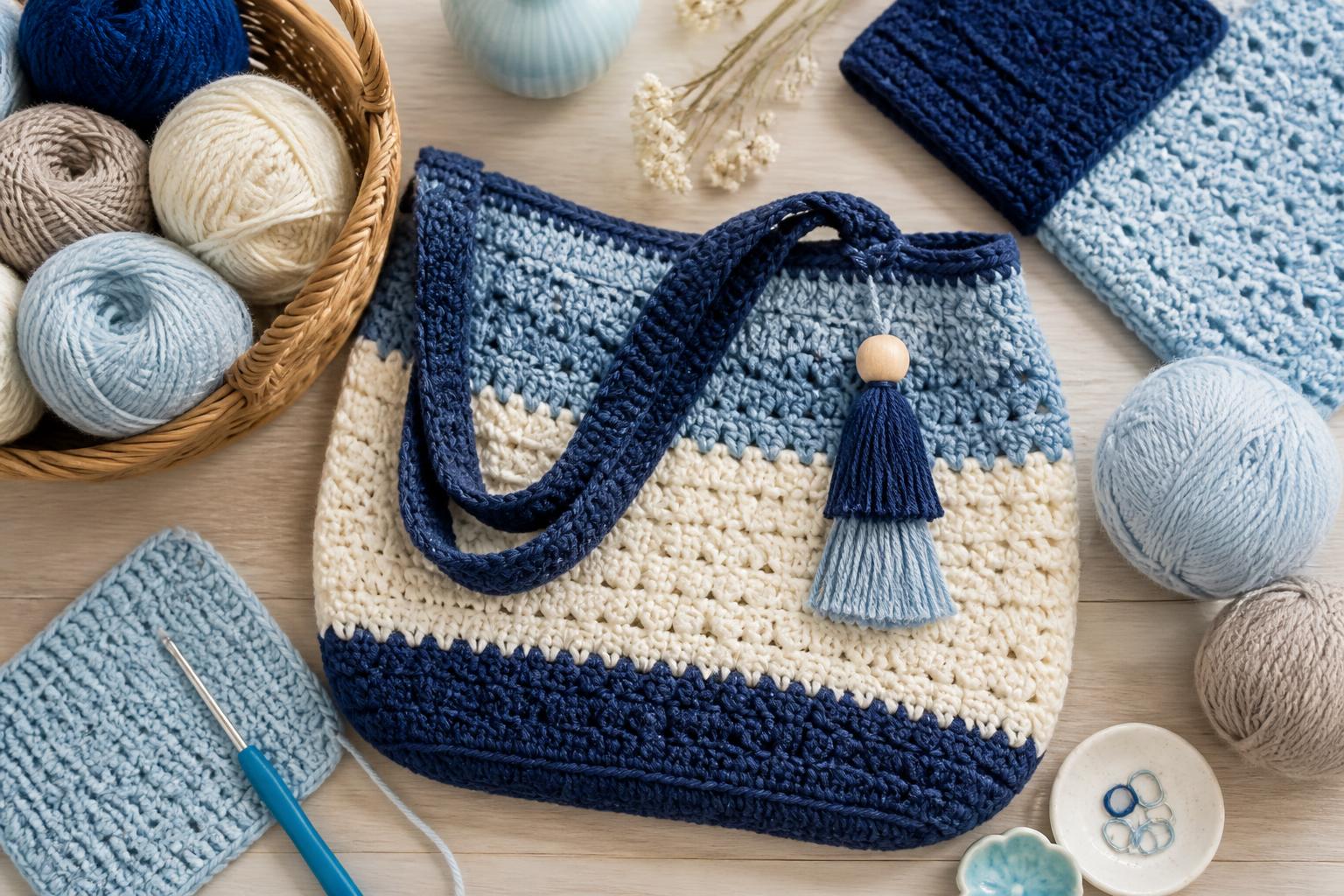
The thickness of the yarn directly affects the final design of the project. Here are some practical tips to help you decide:
- Quick projects: Use chunky yarns for making blankets or scarves. These allow you to make quick progress and are great for those looking for immediate results.
- Detailed work: Thin yarns are ideal for amigurumi or fitted garments, as they allow for greater control over the details and texture of your work.
Remember that the choice of thickness also influences the number of stitches you work and the time you need to complete each project. For example, if you choose a thicker yarn, you will find that each stitch takes less time. However, if you opt for a thinner yarn, you will need more patience, but you will achieve a more detailed and elegant finish.
Materials to consider when choosing yarn
The materials significantly influence how it is crocheted and the final finish. If you are a beginner, it is advisable to opt for cotton or acrylic yarns, as they are easier to handle. Here are some factors you should consider when selecting yarn:
- Texture: The texture of the yarn can affect the ease of crocheting. A soft yarn glides better on the hook, making the process smoother and enhancing your crocheting experience.
- Durability: Some yarns are better suited for projects that require more durability, such as rugs or blankets. Ensure that the yarn you choose is strong enough for the intended use.
- Season: Consider whether the yarn is appropriate for the time of year you plan to use the project. For instance, wool is ideal for cold weather, while cotton is better for summer, as it is lighter and cooler.
Additionally, it’s important to keep in mind the finish you want to achieve. Some yarns have a shiny finish, while others are matte. This can affect the final appearance of the project, so choose the one that fits your idea best.
Buying recommendations
When buying yarn, consider the following tips to make the best decision:
- Quality: A good yarn will make your work look better and prolong the lifespan of your pieces. Opt for well-known brands that offer positive reviews and references within the crochet community.
- Labeling: Pay attention to the information about thickness, type of yarn, and washing recommendations. This will facilitate the care and maintenance of your projects, ensuring they stay in good condition.
- Local stores: Many shops allow you to feel the yarn before buying. This will help you choose the one that feels most comfortable in your hands and fits your preferences.
You can also look for crochet groups on social media where other crocheters share their recommendations on which yarns are best for specific projects. This will give you a wide variety of opinions and help you decide.
Common mistakes when choosing yarn
When starting out in crochet, it’s normal to make mistakes. Here are some of the most common ones:
- Choosing a yarn that is too thin for a project that requires thickness can result in a weak finish, discouraging beginners.
- Not considering the appropriate material for different climates can lead to projects that are not used. For example, wool garments in summer can feel uncomfortable.
- Ignoring the durability of the yarn can be problematic for projects that will see a lot of use, such as blankets or toys, which can wear out quickly.
Remember that the choice of yarn affects not only the ease of crocheting but also the final appearance. Take your time choosing wisely and don’t hesitate to experiment with different types and thicknesses until you find what you enjoy the most.
Another common mistake is neglecting the yarn's care requirements. Some fibers need special washing and drying methods that might not fit a beginner's lifestyle. Choose yarns that are easy to care for, especially if you’re unsure about laundry practices. This ensures your finished projects stay beautiful without too much hassle. Always check the yarn label for care instructions before making your selection.
Frequently asked questions about crochet yarn
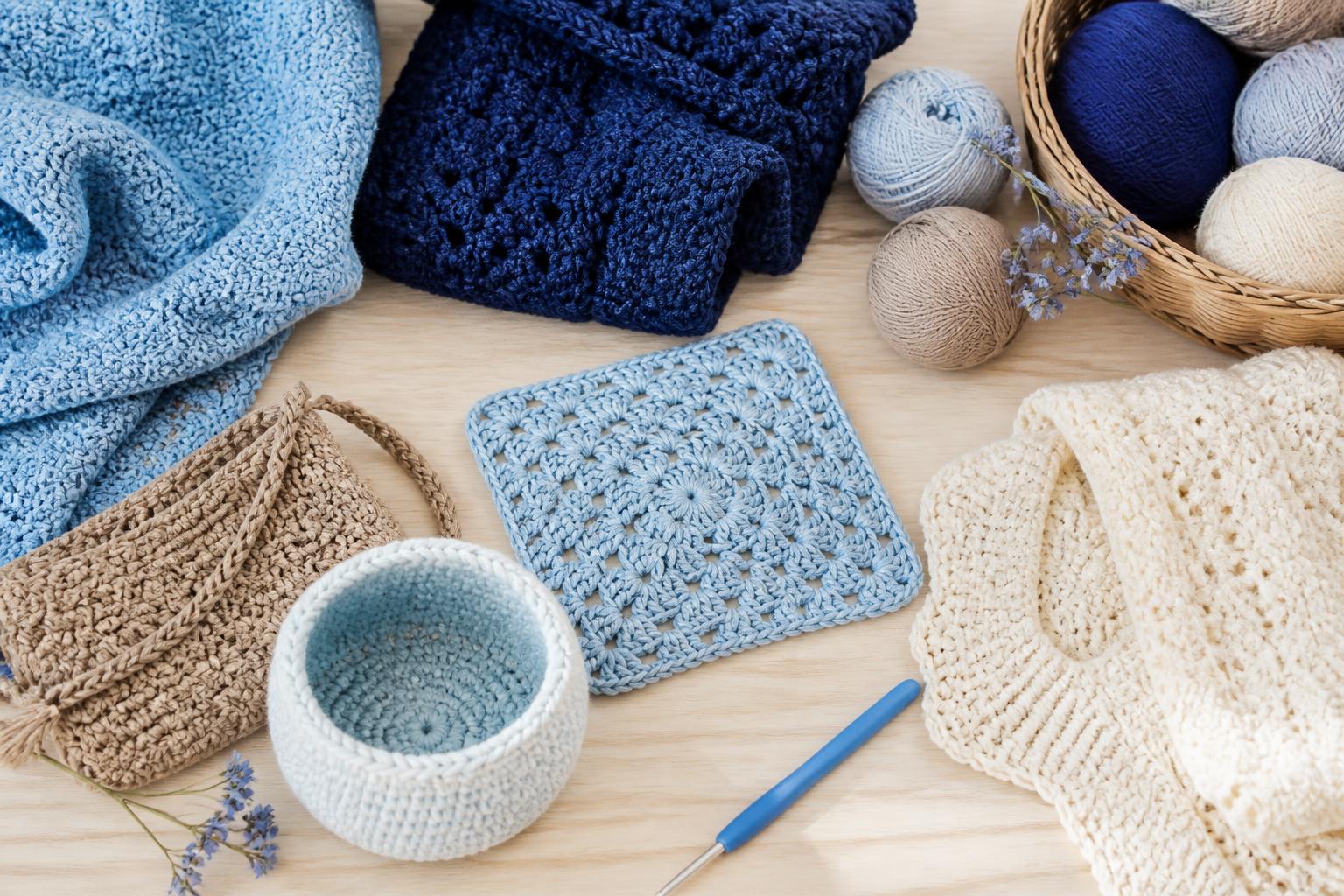
If you have common questions, such as:
- What yarn should I use for specific projects?
- Is the brand of yarn important?
You can find answers in our community of crocheters, where we share tips and experiences. Researching on forums or social media is also useful for getting personalized recommendations and sharing your questions with other crochet enthusiasts.
Choosing the right yarn can significantly impact the success of your crochet project. Every yarn type has unique properties that affect the feel and look of your finished work, so consider the intended use. For instance, a soft yarn is ideal for baby clothes, while a sturdy yarn works well for items like bags or home decor.
Don't hesitate to experiment with different yarns. Testing a small swatch can help in assessing how the yarn behaves while crocheting, as well as how it feels in your hands. This practice not only fosters creativity but also enhances your understanding of yarn characteristics, ultimately guiding you to make informed choices.
Conclusion
Choosing the right yarn for your crochet project will make a significant difference in the final result. Take your time to understand the characteristics of each type of yarn and don’t hesitate to explore different textures and colors in your work.
Remember that crochet is a creative and personal activity, and the best yarn is the one that fits your needs and preferences. Enjoy trying out new textures and colors in your projects!
When you dive into the world of crochet, the yarn you choose not only impacts the aesthetic of your project but also how enjoyable the process is. Different fibers will behave differently under your hook, so experimenting with various materials can enhance your skills and provide you with a better sense of texture and drape.
Don't shy away from making swatches; they can reveal much about how a yarn will perform in your actual project.
Consider your project's purpose and environment. For example, if you are making a gift or a piece meant to withstand daily use, look for more durable yarns. Natural fibers like cotton or wool may offer more warmth and texture, while synthetic blends might provide durability and ease of care. Always choose a yarn that fits the intended function of your crochet piece.
Tools and guides for your next crochet project
Learn a technique, follow a pattern and organise your work with Step by Step Crochet. Explore how each Android feature helps.
Keep your next project on your phone
Download Step by Step Crochet from Google Play. The app from Molly Digital is free to download and contains ads. Check the official listing for the available version.
Get it on Google Play