Key takeawaysOpen this summary to review the essential ideas.
- What are the most popular types of crochet?
- The most popular types include traditional crochet, lace crochet, thick crochet, and amigurumi.
- What is the difference between traditional and modern crochet?
- Traditional crochet focuses on classic techniques, while modern crochet may incorporate trends and new styles.
- How can I decide what type of crochet to use?
- Consider the type of project you want to create and your skill level.
- What kind of project can I make with lace crochet?
- You can create delicate shawls and lightweight garments, ideal for warm climates.
- What basic tools do I need to get started with crochet?
- You will need a good crochet hook, various thicknesses of yarn, and a comfortable working space.
The world of crochet is vast and exciting, filled with techniques that allow every crocheter to express their creativity. If you are just starting, understanding the different types of crochet is essential for choosing the right one for your projects. Below, we will explore the various techniques, their uses, and how they differ from each other.
Types of crochet and their uses
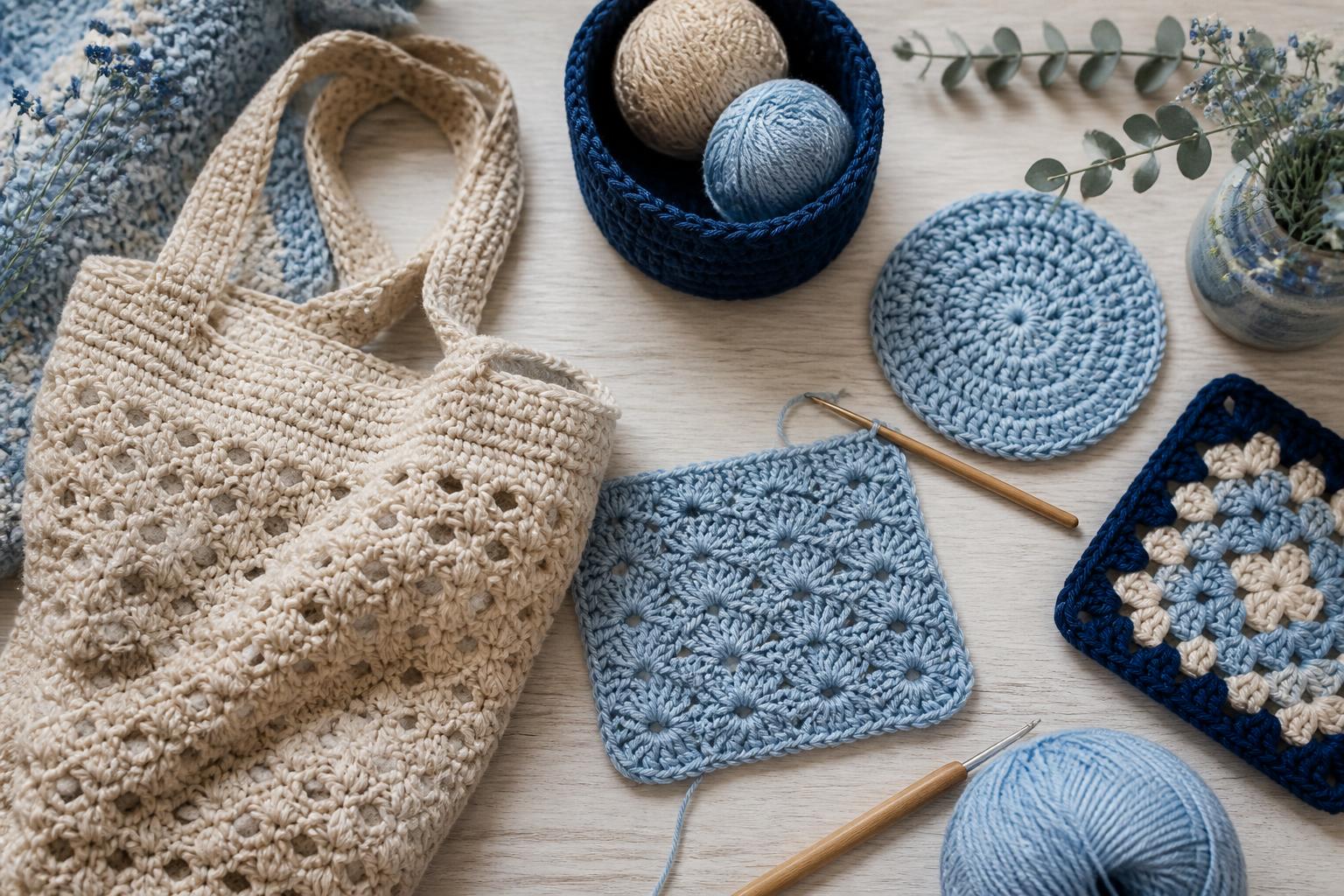
There are several types of crochet, each with its characteristics and applications. Here are some of the most popular:
- Traditional crochet: This style uses basic stitches and can be done with yarn of various thicknesses. It is ideal for beginners.
- Lace crochet: Uses fine threads and focuses on creating delicate and elaborate patterns. Perfect for making elegant garments.
- Thick crochet: With wider yarn, it is ideal for projects that require greater durability, such as blankets or rugs.
- Amigurumi: A Japanese technique for creating crochet dolls. It is very popular among crocheters for its adaptability.
- Tunisian crochet: Combines weaving and crochet techniques, ideal for those seeking different textures.
By exploring these variations, you will not only be able to choose a style that fits your endeavors, but you will also have the chance to experiment and play with different materials according to your tastes and skills.
What are the most popular types of crochet?
The most popular types include traditional crochet, lace crochet, thick crochet, and amigurumi, each with its nuances. These different styles not only offer aesthetic variety but also the opportunity to experiment with different materials and techniques. Understanding these modalities will help you select the most suitable one for what you wish to create.
Differences between crochet styles
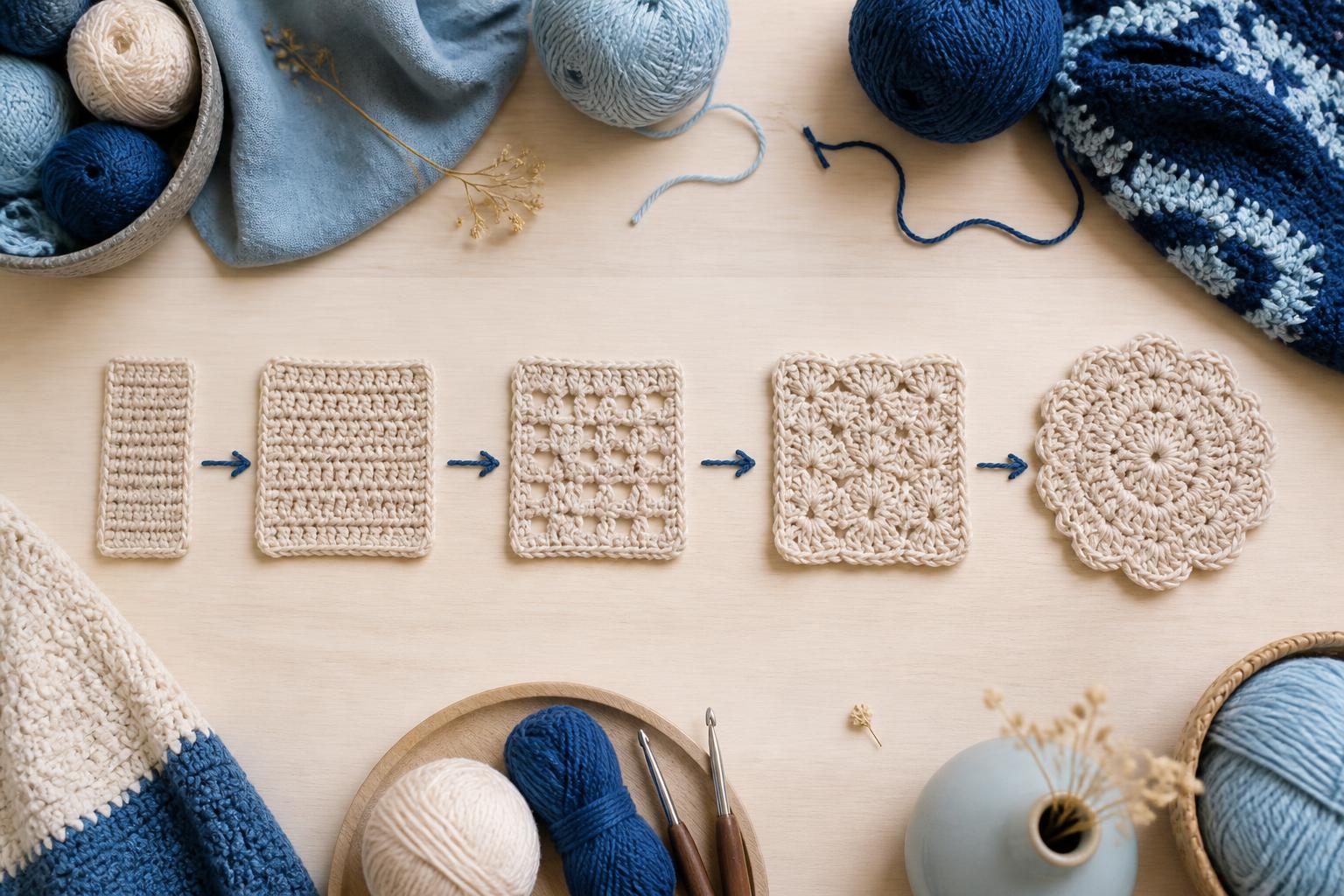
Not all crochet styles are the same. Key differences lie in the thickness of the yarn, the stitches used, and the technique:
- Yarn thickness: Fine yarns are ideal for details, while thick ones are perfect for more robust works.
- <strongTechniques: Traditional crochet often uses basic stitches, while Tunisian combines different styles of weaving.
- Patterns: Some styles, like lace, are more complex and require more practice.
By understanding these differences, you can select the style that best suits your projects and avoid frustrations during the creative process.
What is the difference between traditional and modern crochet?
Traditional crochet focuses on classic techniques, while modern crochet may incorporate variations and new design trends. This allows crochet to evolve and adapt to current fashions, providing more options for enthusiasts. The modernization also includes the use of different materials and decorative elements.
Choosing the right type of crochet
When choosing a type of crochet, it is wise to consider your needs and projects. Think about what you want to create and your skill level. Ultimately, selecting the crochet style should align with your personal preferences.
- Desired project: If you want to make a blanket, thick crochet is your best option. For an elegant top, lace crochet is ideal.
- Skill level: Beginners should start with simpler techniques like traditional crochet.
- Comfort: Choose the type of yarn and hook that feels most comfortable to you.
Considering these factors will help you enjoy your journey into the world of crochet even more.
How can I decide what type of crochet to use?
Assess the type of project you wish to create and your level of experience. If you are a beginner, opt for simple yarns and techniques. Don’t forget that the choice of materials can make a great difference in your learning experience. Ensure that the crochet type you choose meets your expectations and capabilities.
Recommended projects by crochet type
For each type of crochet, there are ideal projects you can undertake. This not only helps you practice but also ensures satisfying results:
- Traditional crochet: Scarves, simple blankets, and toys are excellent for starting out.
- Lace crochet: Elegant shawls, lightweight blouses, and home decorations benefit from this technique.
- Thick crochet: Rugs and warm blankets are perfect for these yarns.
- Amigurumi: Dolls of all kinds and adorable pets can be created using this method.
- Tunisian crochet: Distinctive towels and tablecloths with unique textures are optimal projects for this style.
Selecting the appropriate project will make your learning process easier and keep your motivation high in this art.
What kind of project can I make with lace crochet?
With lace crochet, you can create delicate shawls and lightweight garments that are perfect for warm climates. Lace projects tend to be more elaborate and allow beginners to practice their skills with more complex patterns. With patience and dedication, these projects can result in exquisite pieces full of style.
Practical tips for starting crochet
If you are new to crochet, here are some practical tips to help you start off in the best way:
- Tools: You will need an appropriate crochet hook and the yarn corresponding to the project you choose. Don’t forget to have a comfortable working space.
- Practice: Don’t worry if it doesn’t turn out perfect at first; practice leads to perfection. Experience will help you gain confidence.
- Common mistakes: Make sure to count your stitches and check your work frequently to avoid major mistakes. This is key to achieving a good finish in your projects.
Remember that challenges may arise at first. The important thing is to enjoy the journey and not give up.
What basic tools do I need to get started?
A good crochet hook, yarn of different thicknesses, and a comfortable working space are essential when starting crochet. Additionally, a yarn cutter and a tapestry needle will be helpful for finishing your projects. Preparing your workspace is crucial for staying motivated and organized.
Curiosities about crochet
Crochet has a long history and has evolved over time. Here are some interesting facts you might find fascinating:
- It is believed that crochet originated in the 19th century, quickly becoming popular worldwide.
- Amigurumi, crochet dolls, has its origins in Japan and has gained significant popularity among enthusiasts of this technique.
- Crochet is used not only to create clothing but also to make art and various decorations. Some contemporary artists use this technique as a means of artistic expression.
Understanding these curiosities will enrich your experience in the world of crochet, making you appreciate this beautiful art form even more.
What is the history of crochet?
Crochet began as a domestic technique in Europe but has evolved over the years into an art form that connects people from different cultures and generations. Its rich history makes it a fascinating topic for both beginners and experts.
Tutorial projects and resources
For those who wish to start crochet, I invite you to visit our site where you will find free tutorials that will guide you step by step. Don’t hesitate to visit Step by Step Crochet to discover more. Our community is ready to support you at every stage of your learning journey. Take the first step and start your crochet adventure!
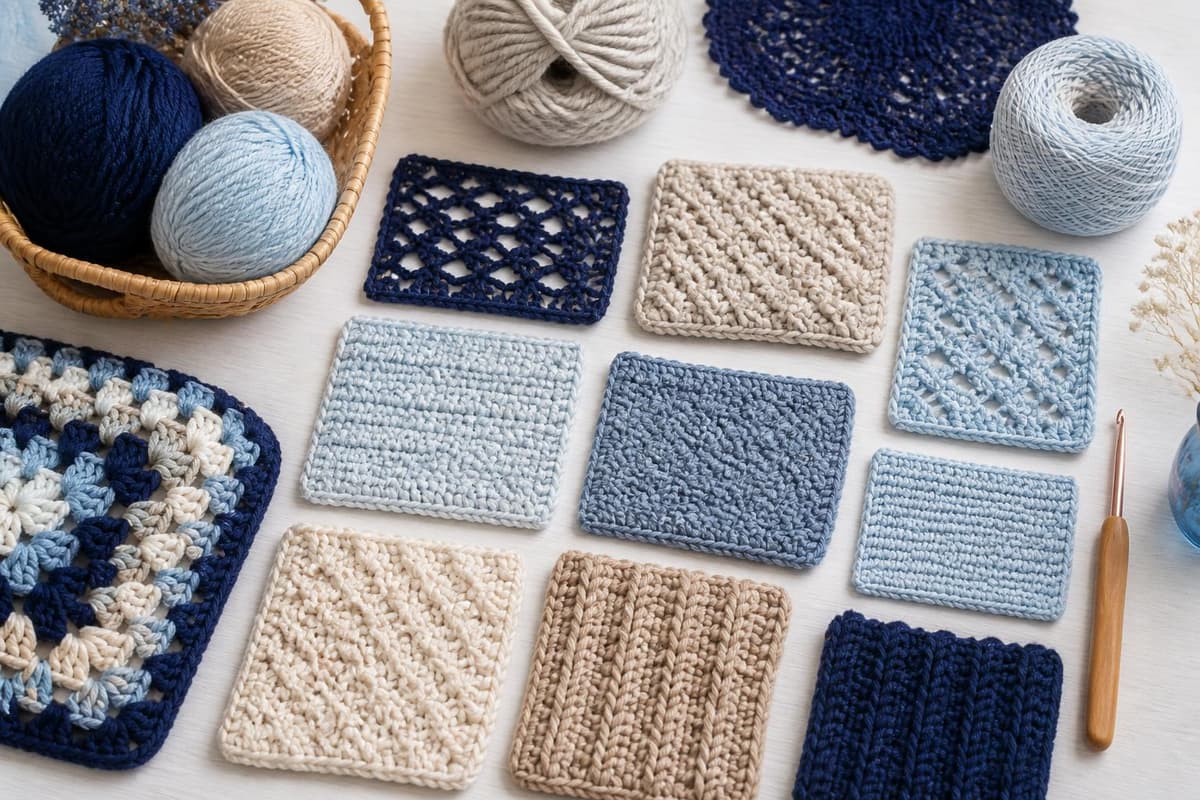
To better visualize the types of crochet, here is an illustration showing their differences clearly.
Learning process: crochet practice
Consistent practice is key to improving your crochet skills. Observe how different stitches are made for a better understanding. Remember that each project you complete will be another step in your learning and mastering of this technique.
It is important to establish a practice routine that fits your schedule. Dedicating a few minutes each day can significantly impact your skill. Practice with gratitude, enjoying every moment of creation to make the learning experience more enjoyable.
Tools and guides for your next crochet project
Learn a technique, follow a pattern and organise your work with Step by Step Crochet. Explore how each Android feature helps.
Keep your next project on your phone
Download Step by Step Crochet from Google Play. The app from Molly Digital is free to download and contains ads. Check the official listing for the available version.
Get it on Google Play