Key takeawaysOpen this summary to review the essential ideas.
- What are the most common types of yarn in crochet?
- The most common types are cotton yarn, wool, and acrylic, each with specific characteristics based on the project.
- How should the thickness of the yarn be chosen?
- The thickness should be selected based on the pattern’s indications and the yarn label, ensuring that the result is as expected.
- Why is it important to read yarn labels?
- Labels contain essential information about thickness, yarn type, and care instructions that will help you make informed decisions.
- What mistakes do beginners usually avoid when choosing yarn?
- Commonly, they overlook reading the labels or choose yarn based on price, without considering the quality that influences the final result.
- What useful tips are there for selecting yarn?
- Feeling and testing the yarn before buying, as well as avoiding complicated yarns, can significantly ease the selection process.
Choosing the right yarn can seem complicated, especially if you’re just starting out in the world of crochet. However, knowing the characteristics of each type of yarn and how they relate to your projects can simplify this process significantly. In this article, we will break down the different types of yarn you can use, as well as some tips to help you make the best decision.
Types of crochet yarn

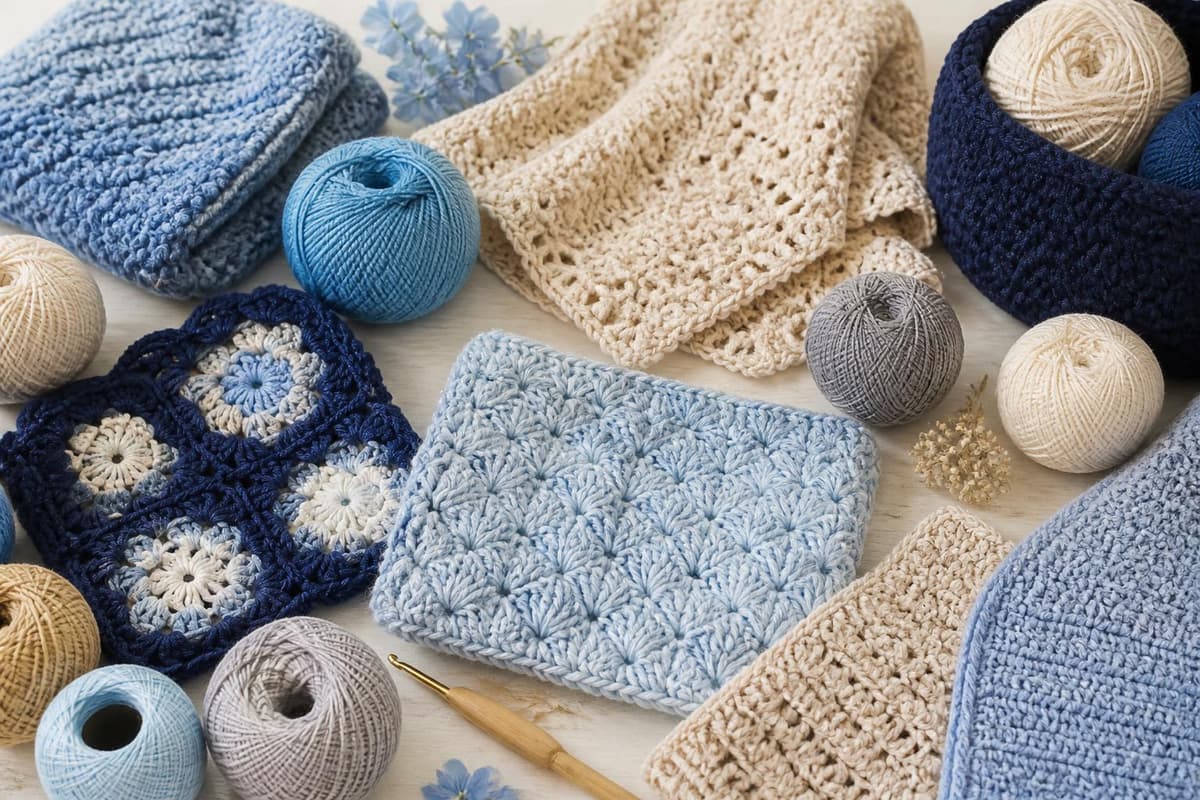
There are different types of yarn that suit various styles of crochet and projects. Let’s explore the most common types and why each can be a good option for your creations.
When choosing a yarn, it is important to consider not only the type of project but also the characteristics of the yarn that best meet your needs. For example, if you are looking for durability, choose a yarn that is resistant and won’t wear out easily. Additionally, keep in mind the final finish you want for your creations, as different yarns can offer different textures and appearances.
Cotton yarn
Cotton yarn is a popular choice among crocheters, especially for projects that require coolness and durability. This type of yarn is ideal for making tablecloths, summer clothing, and amigurumi, as it has a soft drape that gives a beautiful finish.
Furthermore, you can find it in various thicknesses and colors, allowing for creativity. However, keep in mind that cotton yarn can be a bit stiffer, so it’s good to try it before committing to a large amount.
Wool yarn
Wool is perfect if you are creating garments for cold climates. Its ability to retain heat makes it ideal for scarves, hats, and sweaters, and it also offers a variety of textures and weights.
If you decide to use wool, be aware that it can shrink when washed, so it’s advisable to follow the care instructions provided by the manufacturer. It also blends well with other types of yarn if you wish to experiment with different effects.
Acrylic yarn
Acrylic yarn is an excellent option for beginners due to its versatility and low cost. It is easy to work with and wash, making it a practical choice for a wide range of projects, from clothing to home accessories.
Although acrylic is not as soft as wool, it is durable and comes in a great variety of colors and thicknesses. It is important to choose a high-quality acrylic to achieve the best results in your creations.
How to choose the thickness of the yarn

The thickness of the yarn can affect the appearance of your final work. Choosing the right thickness is crucial for the success of your project. Below, we indicate how you can select the correct thickness based on what you want to create.
The thickness of the yarn will also affect the technique you will use. A thicker yarn can make certain stitches easier to work, while a thinner one will require more attention to detail. Remember that each project may require a specific thickness to achieve the expected results, so it’s good to consider the pattern recommendations you choose.
Using the yarn label
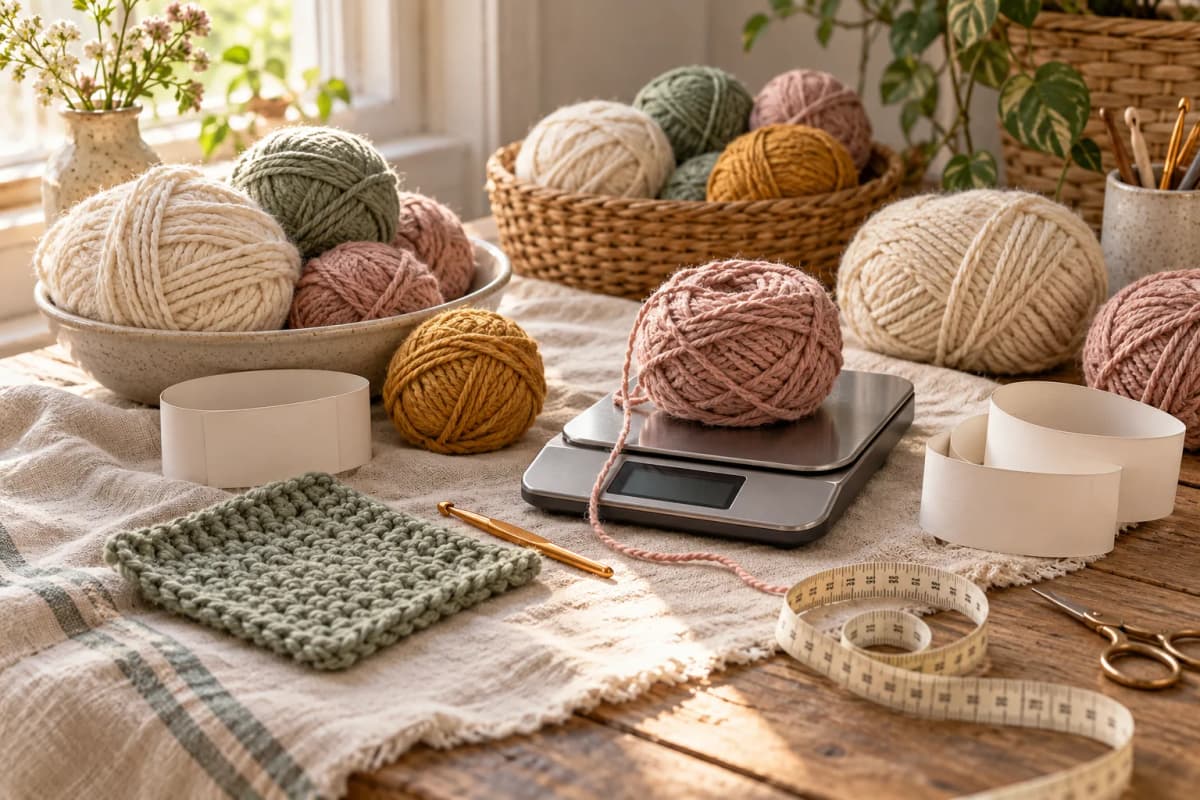
The yarn labels contain valuable information about the thickness and recommended use. Most include a thickness category, ranging from very thin to thick. It is important to read these labels to ensure that the yarn you choose is suitable for your specific pattern or project.
The labels of the yarns may also provide information about the material composition. Knowing whether a yarn is 100% cotton, a wool blend, or pure acrylic will help you understand how it behaves in crochet. Additionally, some labels mention the best type of project for which the yarn is recommended, which can guide you in making your decision.
Yarn combinations and patterns
Some patterns work best with yarns of a specific thickness. For example, if a pattern states that you should use a medium-thickness yarn, it is advisable to follow that indication to ensure that your final product has the expected shape and size. Additionally, do not hesitate to make some test swatches with the yarn before starting a larger project.
To simplify your choice, consider making a list of the patterns you would like to create and the yarn thicknesses they require. This will not only help you maintain a more organized approach but will also make it easier to choose the yarn that best fits your future projects. Planning is key to maximizing your crochet experience.
Here are some helpful tips that can ease the choice of the perfect yarn for your crochet project.
When choosing your yarn, think about the final purpose of your project as well. If you’re making something that will be washed or used frequently, make sure to select a yarn that will hold up well. This way, you will not only enjoy the crochet process but also ensure that your project has a long life.
Test before you buy
Don’t hesitate to touch and observe the yarn before buying it. This will help you better understand how it feels and behaves. You can ask for a small skein to experiment at home before committing to a larger project.
Be sure to look for reviews or opinions from other crocheters about the yarn you are thinking of buying. Sometimes, others’ experiences can be invaluable when choosing, as they provide insight into how the yarn behaves in projects. This can help you make a more informed and accurate decision.
Avoid complicated yarns
For those just starting, it’s advisable to avoid excessively fine or multicolored yarns, as they can be difficult to handle. Opt for simpler options that allow you to focus on learning the basic crochet techniques.
Also, consider the impact of the type of hook you will use with the chosen yarn. Very fine yarns require hooks with the right tips to avoid snagging, while thick yarns can be hard to manage with very thin hooks. Finding the perfect combination between the yarn and the hook is essential for enjoying the crochet process.
Common mistakes when choosing yarn
We all make mistakes, and crochet is no different. Here are some of the most common mistakes to watch out for when selecting yarns.
Another common mistake is not considering the yarn’s texture. A yarn with an unsuitable texture can make the final project not look or feel as you expected. Take the time to think about how each yarn will fit with the design you have in mind. Sometimes, a yarn that seems perfect in the store may not work well once you start crocheting.
Not reading the label
Overlooking the information on the label can lead you to buy a yarn that is not suitable for your project. Take the time to read the information so you know exactly what you’re choosing.
When reading the label, pay attention to the care instructions as well. A yarn that cannot be machine-washed may not be suitable for certain projects, such as blankets or scarves that are used a lot. Ensure that the yarn fits not only your project in terms of appearance but also in terms of maintenance.
Choosing by price rather than quality
Although it’s tempting to opt for cheap yarns, often the quality is not the best. A quality yarn can make a difference in your final work. Make sure to choose a yarn that fits your budget without sacrificing quality.
| Type of yarn | Pros | Cons |
|---|---|---|
| Cotton | Durable, nice finish | Stiff, less warm |
| Wool | Warm, soft | Can shrink when washed |
| Acrylic | Affordable, easy to care for | Less soft than wool |
By following these tips and understanding the differences between types of crochet yarn, you will be able to make informed decisions that will make your projects more successful and rewarding. Happy crocheting!
Tools and guides for your next crochet project
Learn a technique, follow a pattern and organise your work with Step by Step Crochet. Explore how each Android feature helps.
Keep your next project on your phone
Download Step by Step Crochet from Google Play. The app from Molly Digital is free to download and contains ads. Check the official listing for the available version.
Get it on Google Play